





Listen to this article
Estimated 4 minutes
The audio version of this article is generated by AI-based technology. Mispronunciations can occur. We are working with our partners to continually review and improve the results.
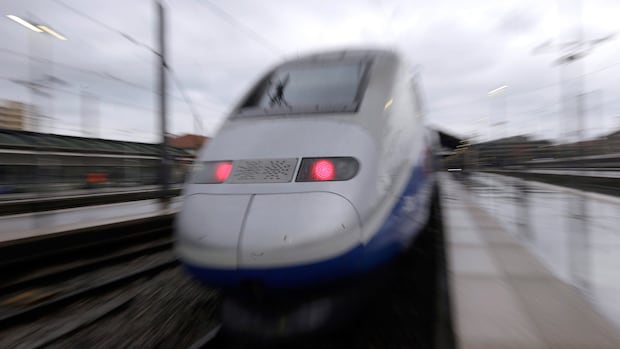
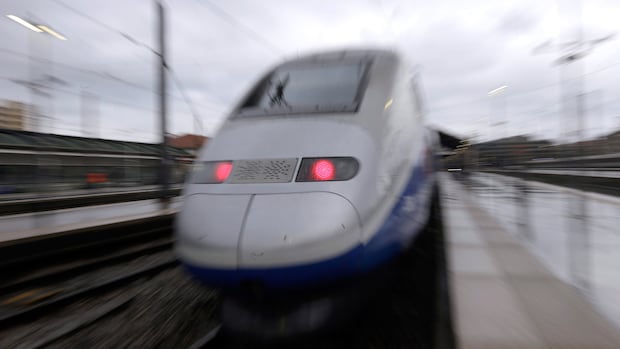
The federal government said Friday it is moving ahead with plans for Canada’s first high-speed rail network, with the initial segment set to connect Montreal and Ottawa.
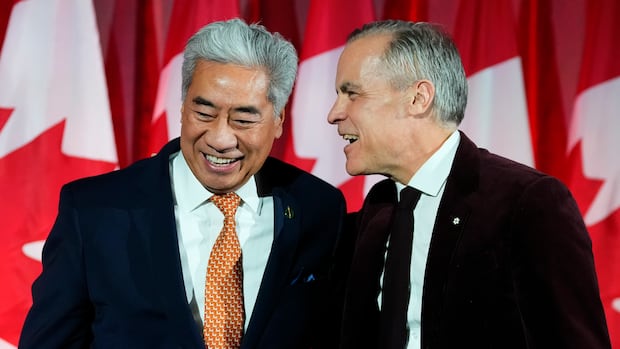
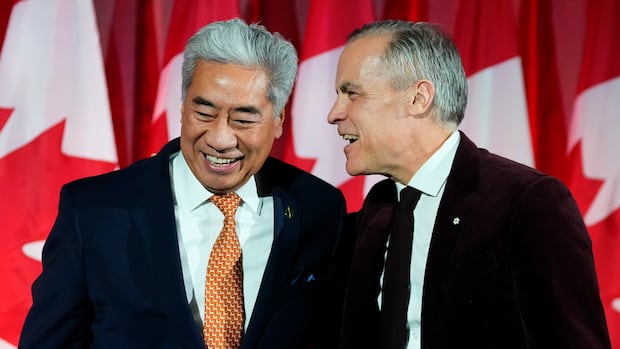
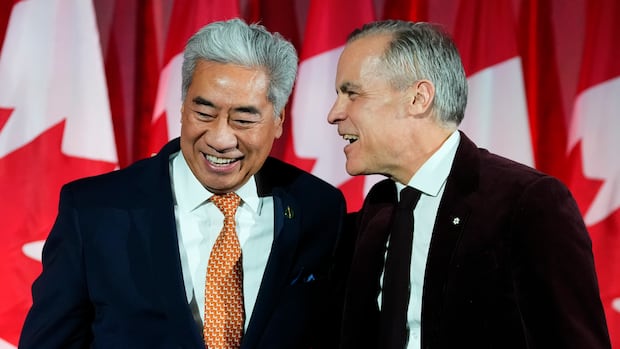
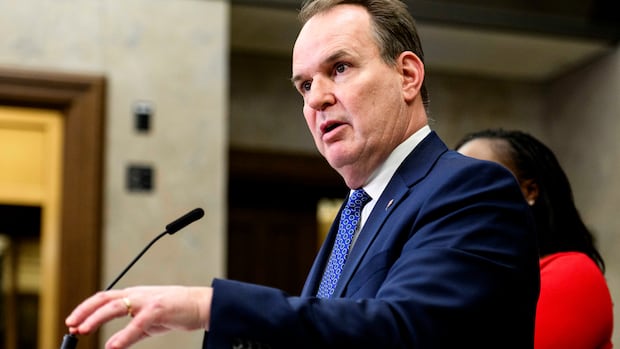
Transport Minister Steven MacKinnon billed the announcement as a "historic day" for Canada. In all, the planned corridor — stretching from Toronto to Quebec City — would span some 1,000 kilometres, with trains travelling up to 300 km/h.
The decision to start with the 200-kilometre stretch between Montreal and Ottawa comes down to geography, with it being the shortest and flattest section of the proposed corridor, officials said. The line will include a stop in Laval, Que.
A high-speed rail line connecting Montreal and Toronto has been promised by politicians for decades. MacKinnon insisted the project would happen, and quickly — with groundbreaking for the Montreal to Ottawa segment scheduled for 2029.
"This acceleration will allow construction to begin in four years. I want to linger on that point: Four years," MacKinnon said at a news conference, calling the high-speed line one of the largest public works projects in the country's history.
"We are talking about a generational investment that will shape the Canadian economy for decades to come and will create lasting benefits."
A high-speed rail line would cut the length of the Montreal-Ottawa trip in half, meaning the trip would be about an hour instead of two.
While the exact route hasn't been finalized, public consultations to determine the precise path are set to begin in January.
Construction on the remaining segments — connecting Quebec City to Montreal and Ottawa to Toronto — will begin at a later, unspecified date. However, environmental assessments and consultations for those legs would begin well before the first phase is complete.
Expropriations are expected to be part of the process. It remains unclear when passengers will actually be able to board the first high-speed train. Sources suggest each segment could take seven to eight years to build.
Billions and billionsThe massive infrastructure project, estimated to cost between $60 billion and $90 billion, was originally launched by the Trudeau government last February. It is now a key plank in the Mark Carney government's infrastructure agenda.
Martin Imbleau, the CEO of Alto, the Crown corporation overseeing the project, said it would be difficult to provide an estimate for the cost of the corridor between Ottawa and Montreal.
He said that they’ll use the first leg as a "test case," noting that it makes up about 25 per cent of the total line in terms of distance.
The Opposition Conservatives were quick to condemn the plan as both overpriced — and too slow in getting off the ground.
"Taxpayers could be on the hook for overruns beyond the estimated $90-billion budget," Dan Albas, the party's transport critic, wrote on social media.
The advocacy group Environmental Defence said the project was "exactly the kind of nation-building investment Canada needs" and would help provide an alternative to short flights and car travel.
WATCH | MacKinnon announces high-speed rail project's first segment:Transport Minister Steven MacKinnon says the first leg of a planned high-speed rail network between Quebec and Toronto will link Ottawa and Montreal, saying the relatively short, flat and straight section is the most logical option for development.Toronto link needs to come quickly, expert saysThe project aims to cut travel time between Montreal and Toronto to just three hours, down from the current five hours or more. The trip between Montreal and Quebec City would be
reduced to approximately 90 minutes.
Leslie Woo, an urban planner and CEO of CivicAction, told CBC News Network that the government's current timeline is "based on lots of assumptions."
She also questioned why Ottawa and Montreal make up the anchors for the project's first leg, adding that the real benefits won't come until the Greater Toronto Area is also serviced — something that's unlikely to come until 2035, if not later.
Montreal and the Toronto area are "the largest urban centres with the highest potential for the number of riders," she said.
The announcement comes a day after dozens of Via Rail passengers travelling from Toronto to Ottawa were stranded for 12 hours overnight, after an earlier train broke down near Brockville, Ont.
The project is being managed by Alto, with construction awarded to the Cadence consortium. That group includes major players such as CDPQ Infra, AtkinsRéalis (formerly SNC-Lavalin), Air Canada and French rail operator SNCF Voyageurs.
WATCH | What Canada can learn from Spain about high-speed rail:Canadians are closer than ever to having high-speed rail, but questions remain: Will it be accessible like Spain’s network, or will the cost of private financing price it out of reach for many?